


















If you are building a WordPress site in 2026, you have probably run into this question: should I use Elementor or the WordPress Block Editor?
It sounds simple. But the answer depends on what you are building, how many sites you manage, and how much you care about long-term performance.
Elementor has been the go-to page builder for years. It lowered the barrier for non-developers and built one of the largest ecosystems in WordPress. The WordPress Block Editor was written off early as “just a blogging tool.” That reputation no longer relevant.
Now the Block Editor can do more. You can build full page sections, custom layouts, and reusable designs directly inside WordPress. With newer features, you can even build your header and footer using the same block system, depending on your theme.
This comparison breaks down how both tools perform across pricing, features, performance, and long-term value, so you can make a decision based on your actual situation.
What We Are Actually Comparing
Before getting into the details, one thing needs to be clear.
The WordPress Block Editor (also called Gutenberg) is WordPress’s built-in editor. Out of the box, it handles content well but has limits when it comes to full page design.
In this comparison, we are using Gutenverse as the WordPress Block Editor side of the equation. Gutenverse is a free plugin that extends the Block Editor with 50+ additional blocks, a template library, popup builder, form builder, and full site editing tools. Think of it as what the Block Editor looks like when properly equipped for building full websites.
So the real comparison here is: Elementor’s standalone ecosystem vs the WordPress Block Editor extended with Gutenverse.
Similarities Between Elementor and Gutenverse
1. Plenty of Elements
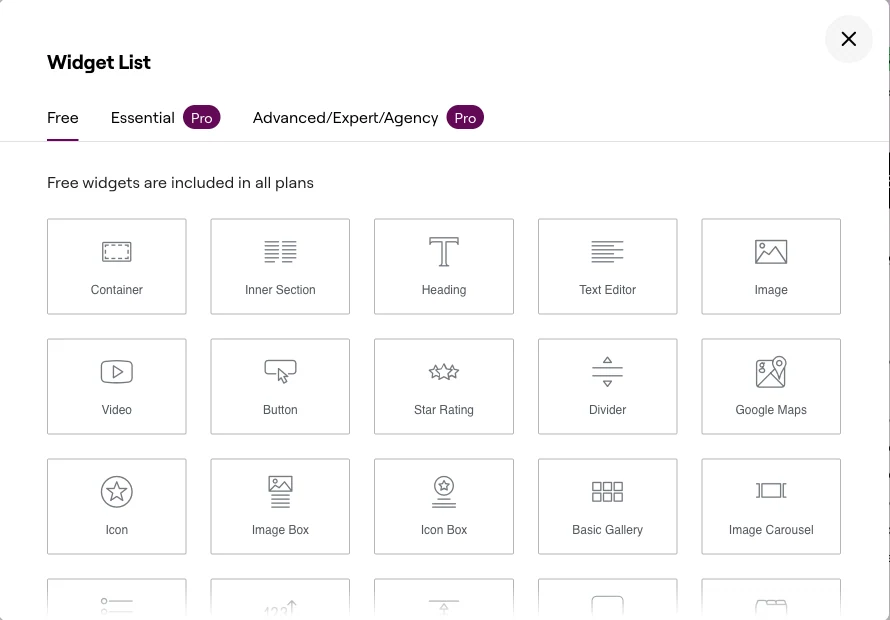
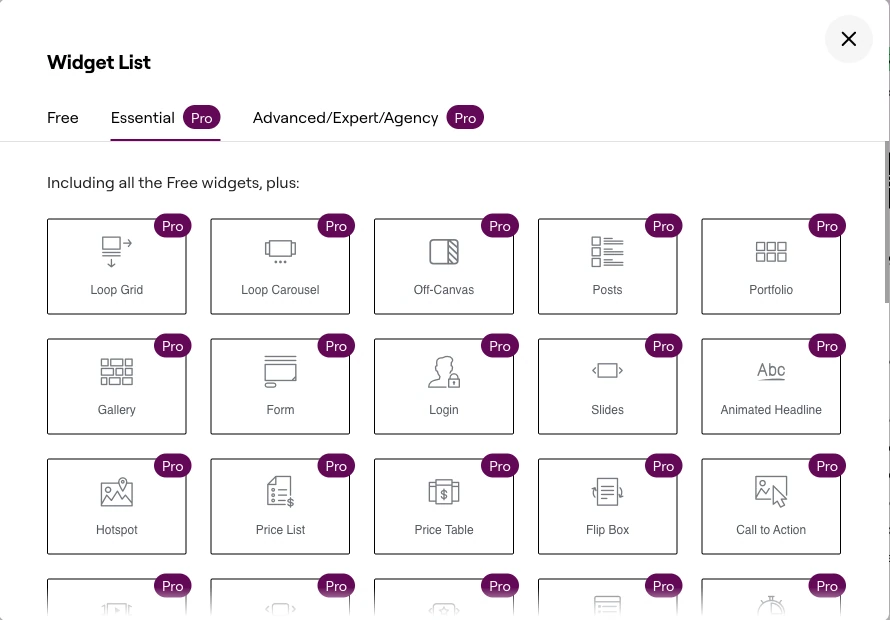
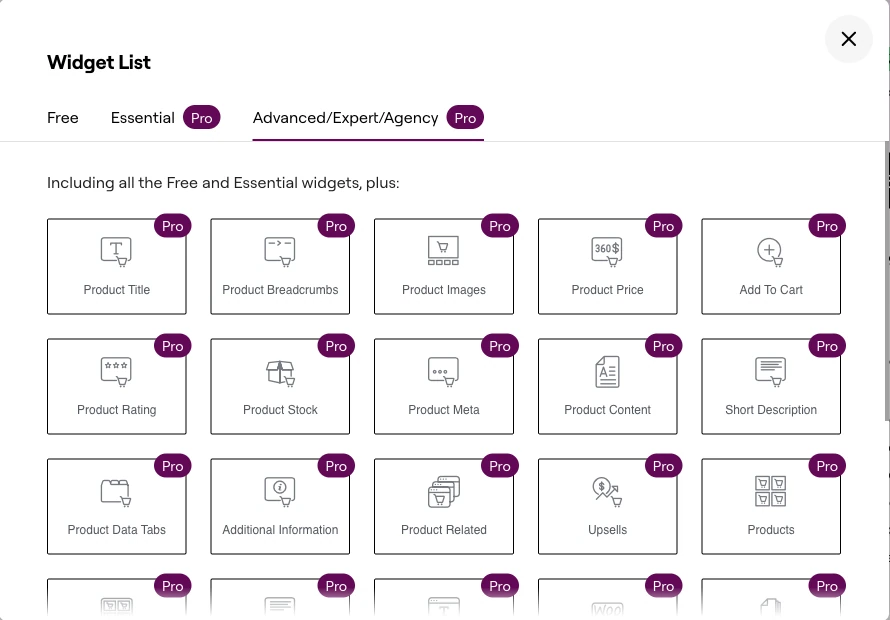
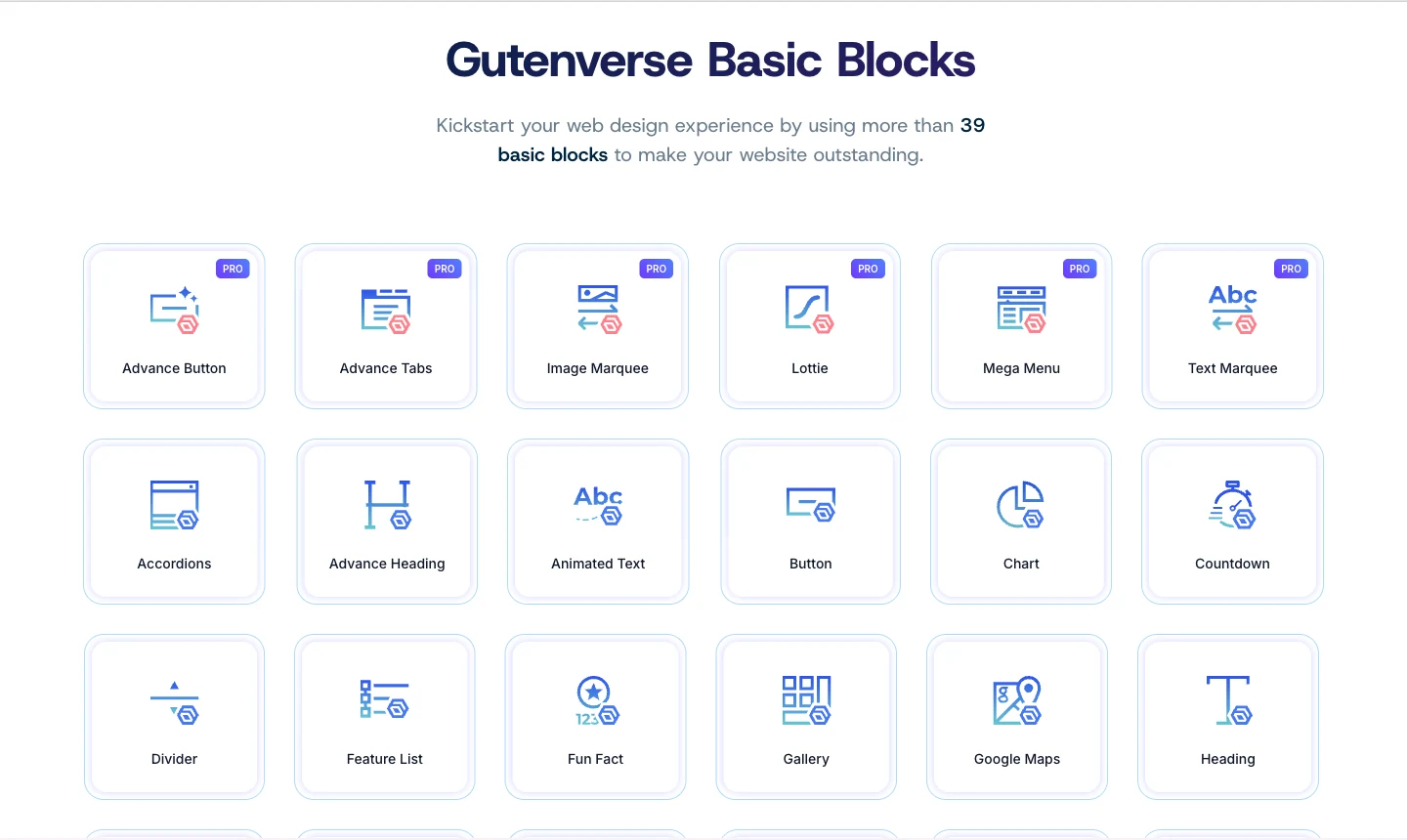
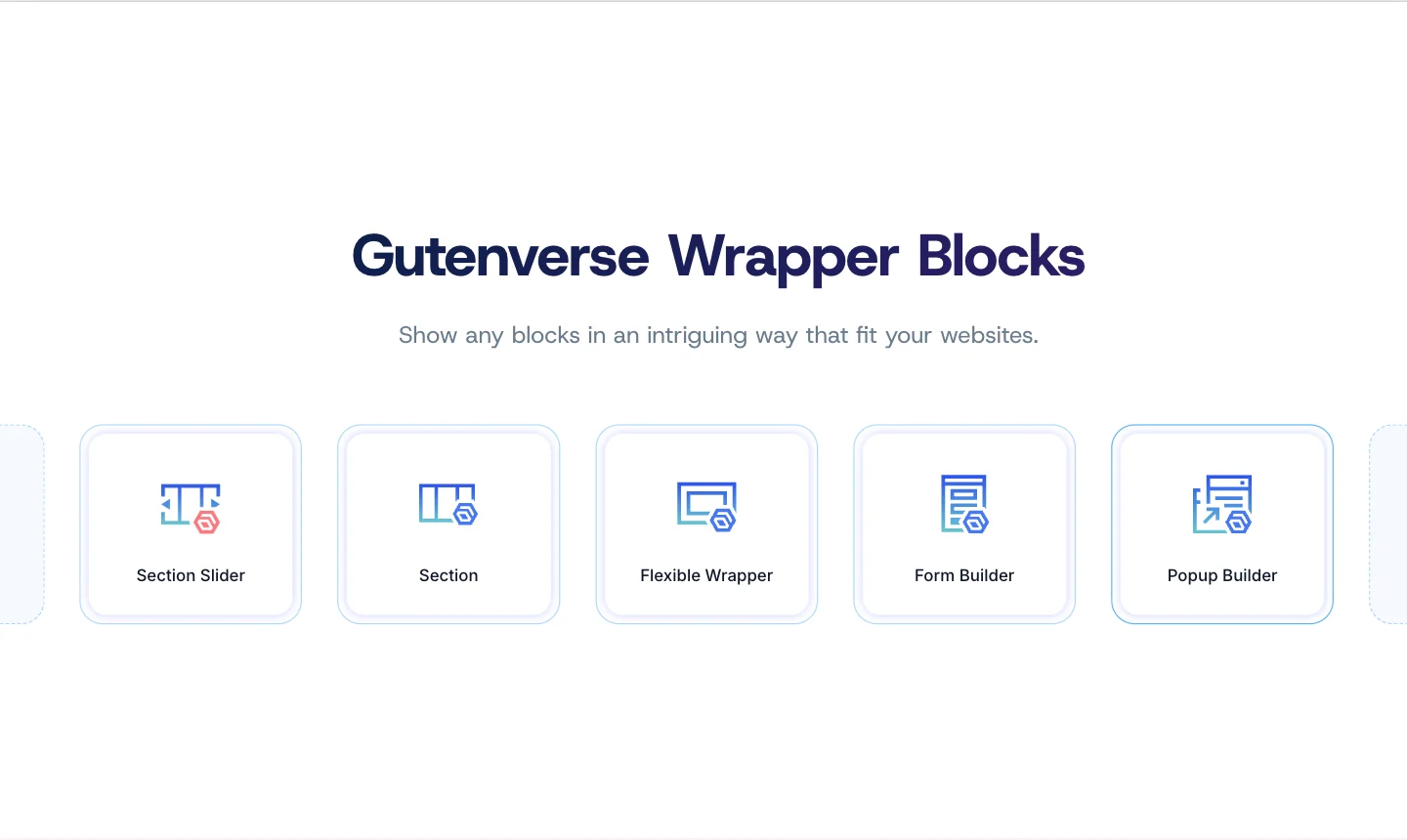
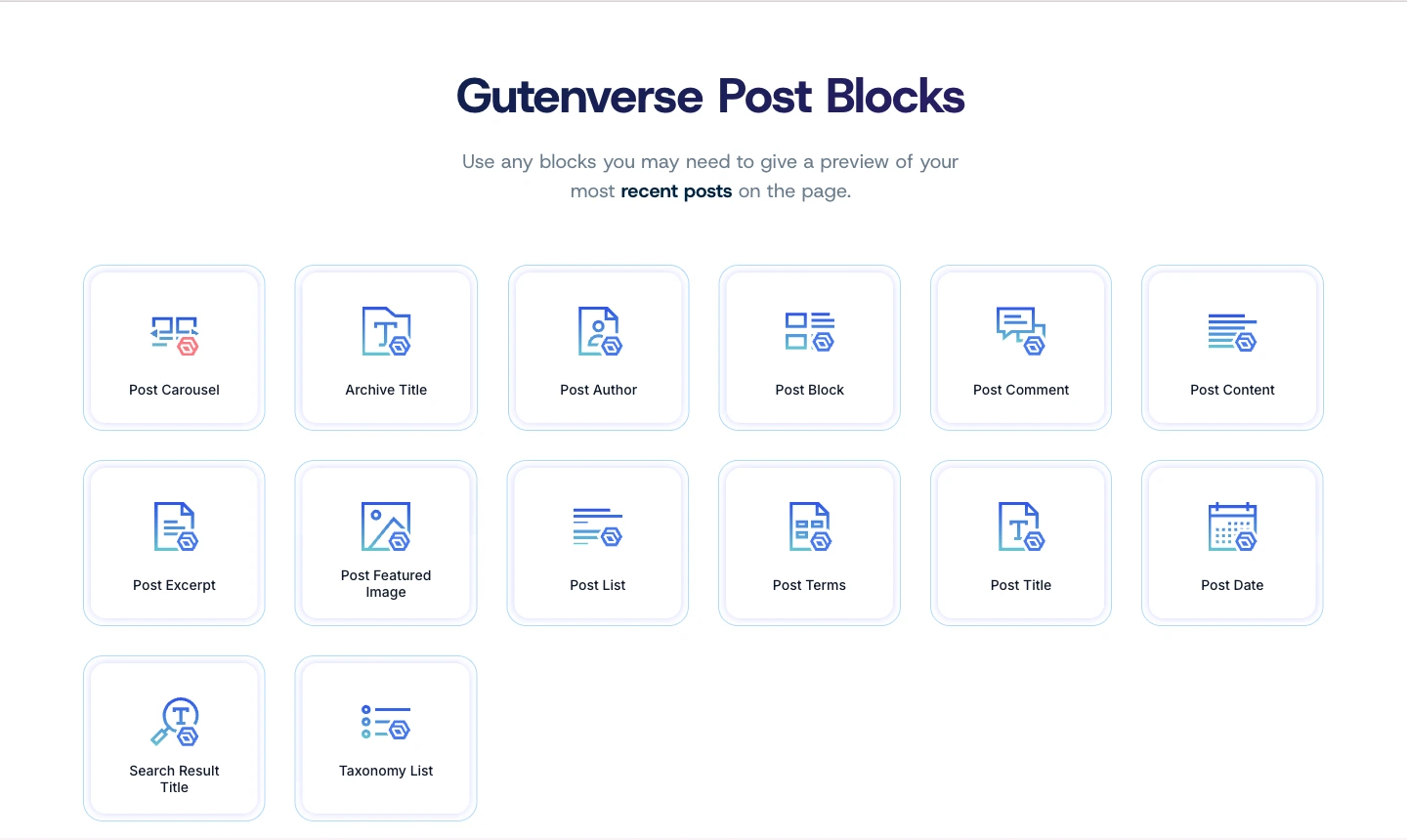
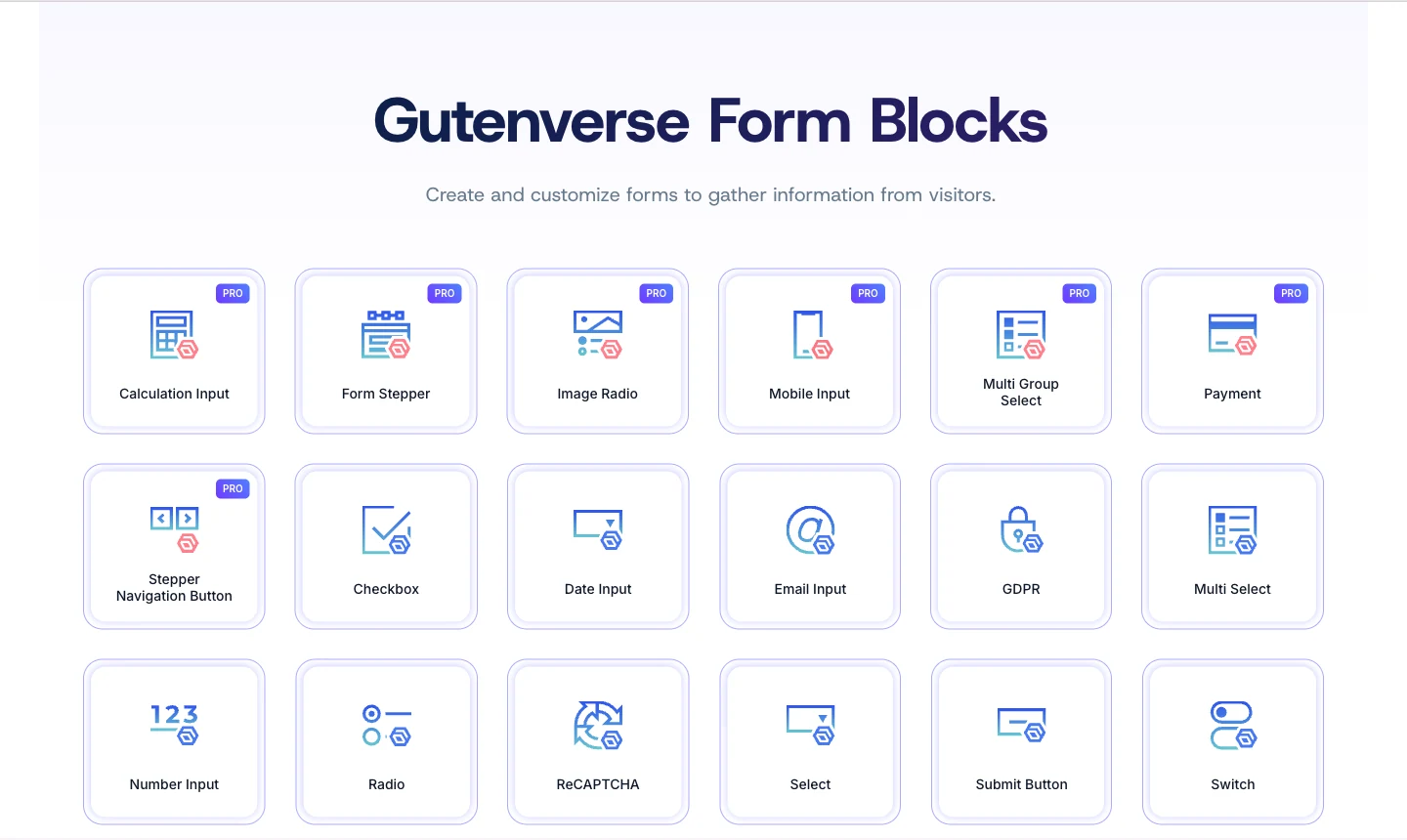
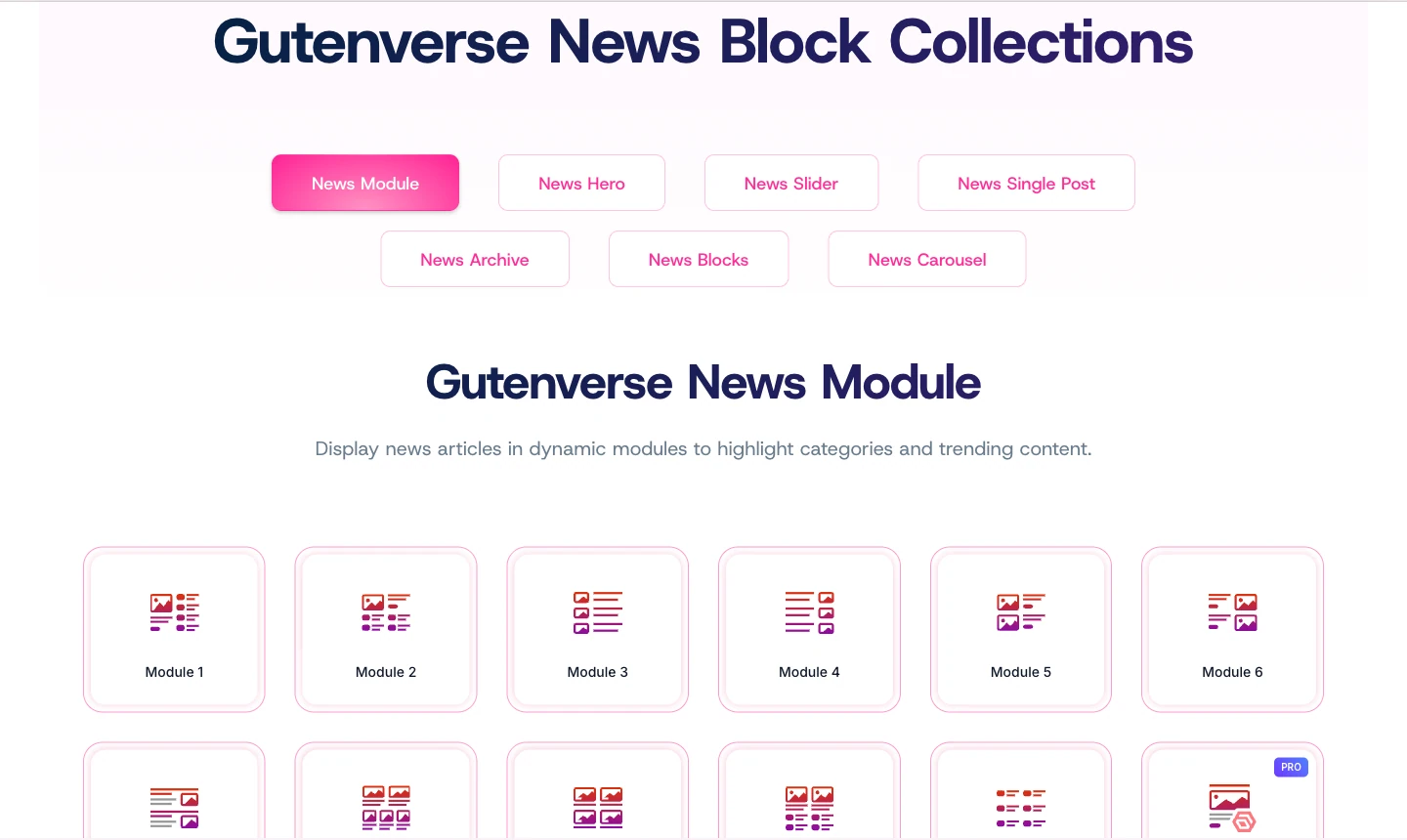
Both builders give you a lot of elements to build your site. You get the basic ones you will use all the time, like text, rows, columns, tables, and lists. You also get extra ones you may only use sometimes, like animated headings, social share buttons, and WooCommerce widgets.
The good side is that you can customize almost anything. At the same time, having so many options can be confusing for the newcomers. Still, it’s often better to have extra tools available, because users might need them one day.
Here are some examples of Elementor elements you can use:
And here are some examples of Gutenverse elements you can use:
2. Lots of Ready-to-Use Templates
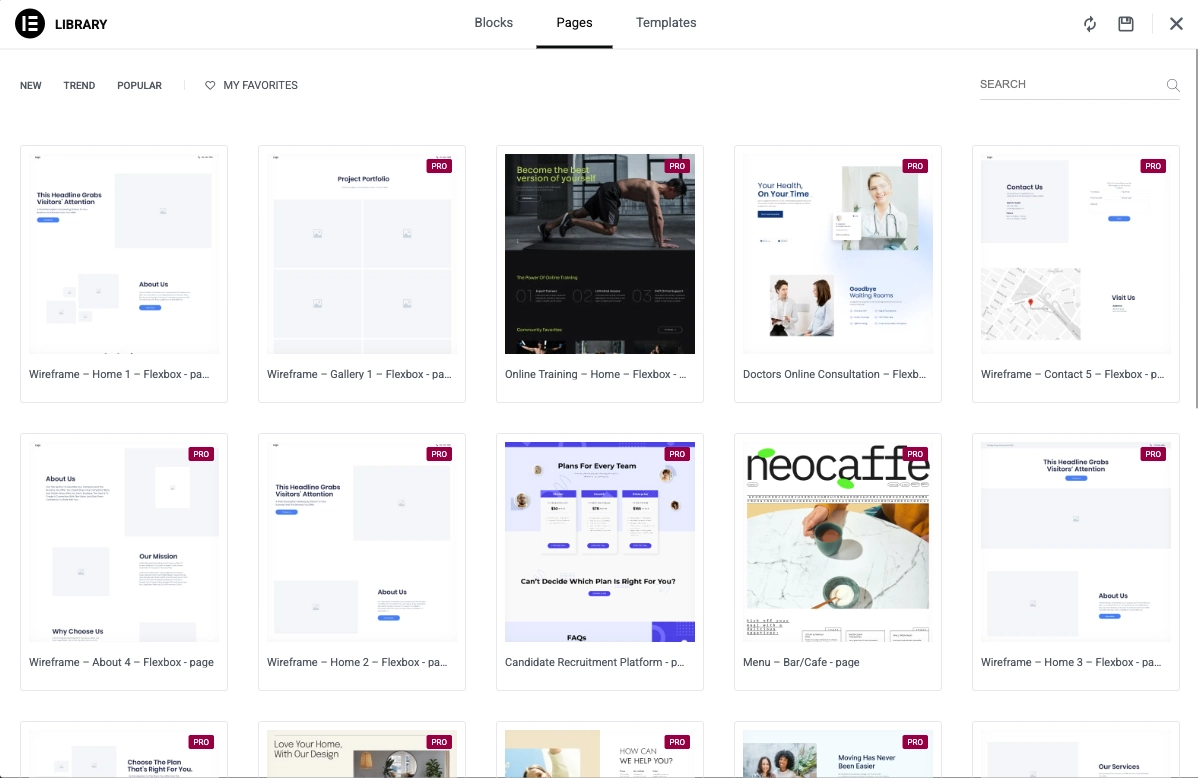
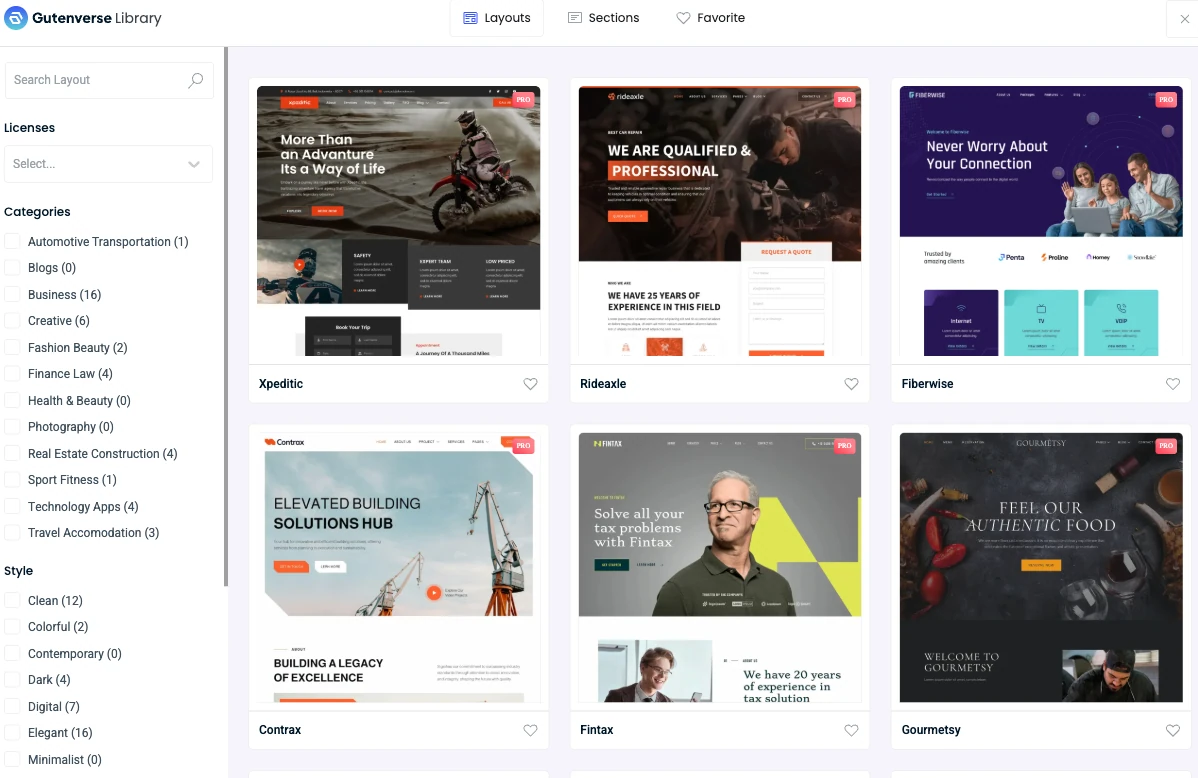
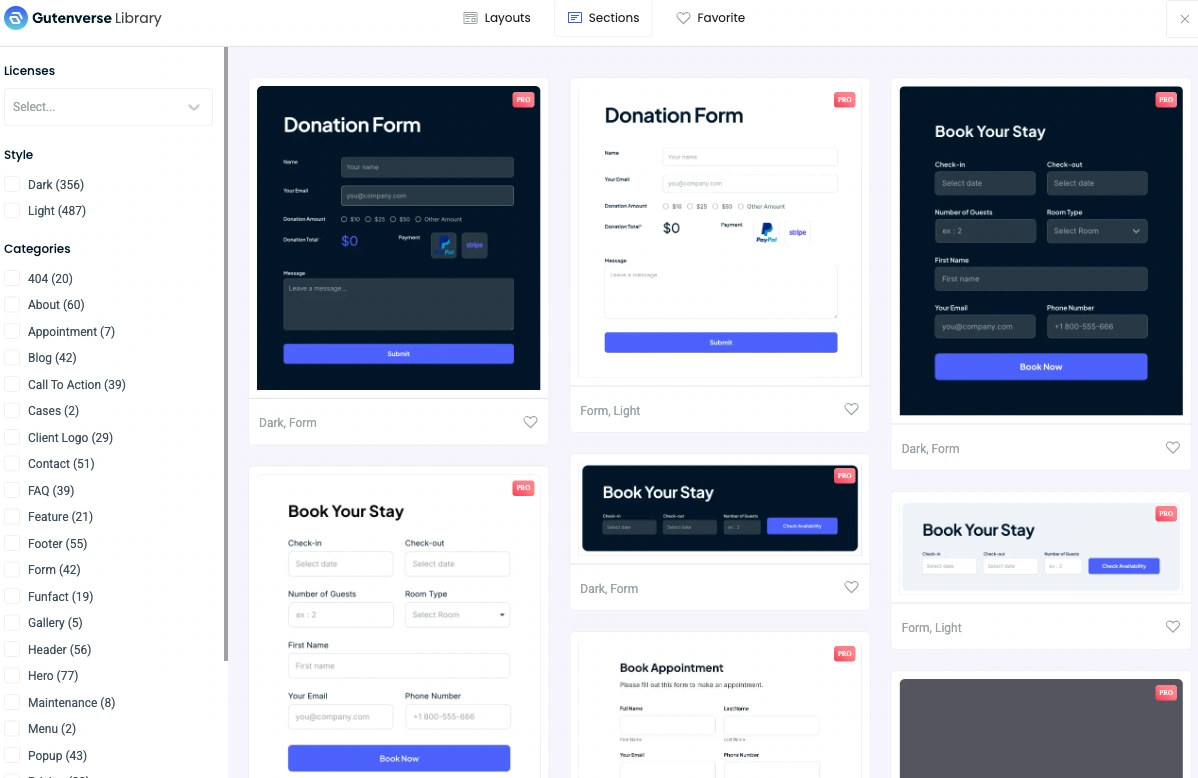
With either Elementor or Gutenverse, you’ll get plenty of ready-to-use templates you can use immediately. They help you build pages faster instead of starting from a blank page. Since the templates cover many popular niches, you’ll likely find one that suits your website’s needs.
These are Elementor’s templates collection for pages and blocks:

These are Gutenverse’s templates collection for layouts and sections:
3. A Wide Range of Demos
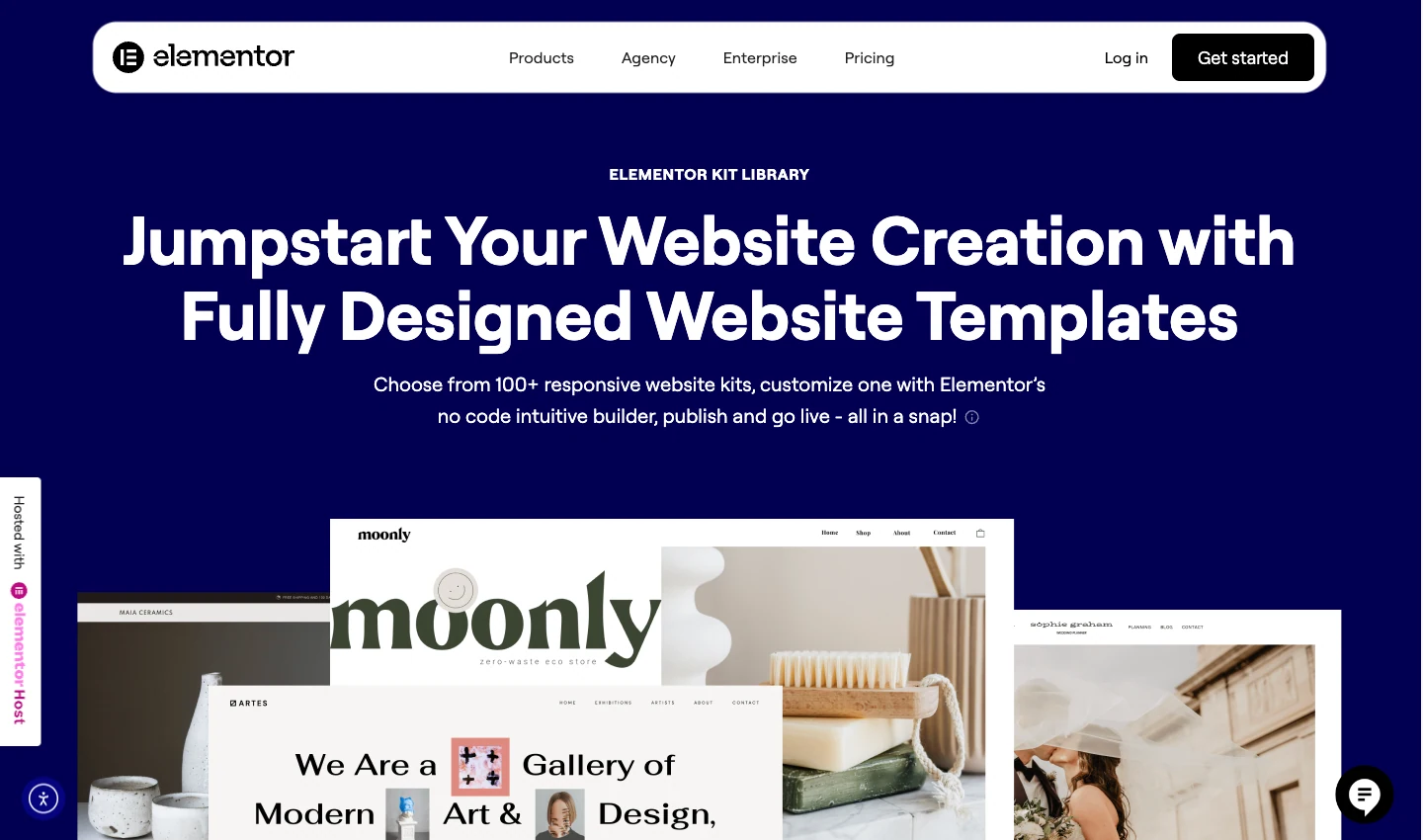
Unlike templates that help you build one page at a time, demos are bigger than that. A demo is often a full website package with several pages already prepared, such as Home, About, Services, Contact, and sometimes blog pages too. It’s a faster way to get started because the site structure is already there, and you just customize it to fit your business.
Available demos/website kits in Elementor:

Available demos/website kits in Gutenverse:


4. Drag-and-Drop Builder
Both Elementor and Gutenverse support a drag-and-drop way of building pages, which is a big reason people use them. With both tools, you can add elements to a page, move them around, and shape a layout visually instead of writing code.
In practice, the experience is similar: you can reorder sections, place blocks side by side, adjust spacing, and refine a page until it looks right. You’re working directly with the layout, so it’s easier to experiment and make changes quickly.
Differences Between Elementor and Gutenverse
1. Pricing Breakdown
Pricing for Elementor
Plan
Price/Month*
Sites
Widgets/Blocks
Key Features
Best For
Essential
$5/mo ($60/yr)
1
57 Pro widgets
Theme Builder, Basic Forms, Dynamic Content (limited)
Basic websites
Advanced Solo
$7/mo ($84/yr)
1
86 Pro widgets
Popups, Custom Code, eCommerce, Full Forms
Professional single sites
One
$19/mo ($228/yr)
1
86 Pro widgets
25K credits (AI, optimization, accessibility, emails), Priority Support
Premium single site
Expert
$17/mo ($204/yr)
25
86 Pro widgets
Same as Advanced
Freelancers (many clients)
One Agency
$17/mo ($540/yr)
Unlimited
86 Pro widgets
350K credits, All One features
Large agencies
Pricing for Gutenverse
Plan
Price/Month*
Sites
Widgets/Blocks
Key Features
Best For
Basic
$5.8/mo ($69/yr)
1
51 blocks
10 demos, 350+ templates, Limited forms/news
Budget-conscious individuals
Professional
$6.6/mo ($99/yr)
10
57 blocks
50 demos, 800+ templates, Full features
Multi-site owners & agencies
Agency
$16.6/mo ($199/yr)
100
57 blocks
Everything in Professional
Medium agencies
Enterprise
$29.9/mo ($359/yr)
1000
57 blocks
Everything in Professional
Large enterprises
*Gutenverse Professional tier shown at current discount price of $6.6/mo ($79.2/yr). Regular renewal price is $8.3/mo ($99/yr).
2. Feature-by-Feature Differences
Feature
Elementor
Gutenverse
Design Elements
86 Pro widgets
57 advanced blocks
Template Library
Extensive
800+ sections (Pro)
Theme Builder
Popup Builder
Form Builder
Multi-step Forms
Calculation Forms
News/Magazine Blocks
eCommerce Integration
AI Content Generation
Image Optimization
Custom Code/CSS
Animation Effects
FSE/Gutenberg Native
Performance Optimization
Good
Excellent (Core Web Vitals)
Theme Export
Limited
Money-back Guarantee
30 days
14 days
3. Product Value
Winner: Gutenverse 🏆
The pricing gap is pretty noticeable. Gutenverse’s Professional plan gives you 10 site licenses for just $6.6/month, while Elementor’s Advanced Solo charges $7/month for only 1 site. If you’re managing multiple sites or working with clients, Gutenverse offers exceptional value.
At the agency level, the difference becomes even more dramatic: Gutenverse Agency gives you 100 sites for $16.6/month, while Elementor Expert provides 25 sites for $17/month.
However, Elementor’s “One” plans include unique credit-based features (AI, optimization) that aren’t available in Gutenverse. For some users, those add-ons could make the higher price feel worth the price.
4. Technology and Philosophy
Elementor: Uses its own editor instead of WordPress native editor. It’s powerful and has lots of pro widgets but creates a dependency on Elementor.
Gutenverse: Works inside the WordPress Block Editor (Gutenberg/FSE).This means better long-term compatibility, easier transitions, and alignment with WordPress’s future direction.
Winner: Depends on your preference!
5. Site licenses
Winner: Gutenverse 🏆
Monthly Budget
Elementor
Gutenverse
86 Pro widgets
1 site
1-10 sites
~$16-17/month
25 sites
10 sites
~$29-45/month
Unlimited ($45)
1000 sites ($29.9)
6. Features and Capabilities
Elementor strengths:
Gutenverse strengths:
Winner: Both win! 🏆 Each builder excels in different areas.
7. Performance
Winner: Gutenverse 🏆
Gutenverse is specifically optimized for Core Web Vitals and uses WordPress’s native rendering, which typically results in cleaner code and faster load times. Elementor, while optimized, adds its own rendering layer which can impact performance on complex sites.
So, Which One Should You Choose?
Choose Elementor if:
Choose Gutenverse if:
Final Thoughts
Both Elementor and Gutenverse are strong page builders, but they are built for different needs.
Elementor comes with advanced tools and a large ecosystem of templates, features, and integrations. It’s also a strong option if you prefer a dedicated visual builder for designing pages.
Gutenverse focuses on a more native WordPress workflow through the Block Editor and Full Site Editing. It’s often a practical choice for users who care about long-term compatibility and want better value, especially when managing multiple sites and still needing plenty of features on a smaller budget.
For most users, especially those managing multiple sites, Gutenverse offers better value. However, if you need Elementor’s specific features (like advanced AI tools) or prefer its visual interface, paying more can still be reasonable.
If you found this comparison helpful, feel free to share it with a friend or teammate who is deciding between Elementor and Gutenverse. See you in the next post!